
February 03, 2026
A Brief History of Furniture: From Ancient Craft to Modern Living
A brief history of furniture design, from ancient craftsmanship to modern living. Discover how timeless furniture styles continue to shape contemporary interiors.

Furniture has always been more than functional objects within the home. It reflects how people live, gather, rest, and express culture through design. From the earliest hand-carved pieces to today’s thoughtfully designed interiors, furniture has evolved alongside craftsmanship, art, and society itself.
Today, pieces such as those found in Eden Home’s dining tables and seating collections continue this tradition — combining function, proportion, and enduring design.
Furniture in Ancient Civilisations
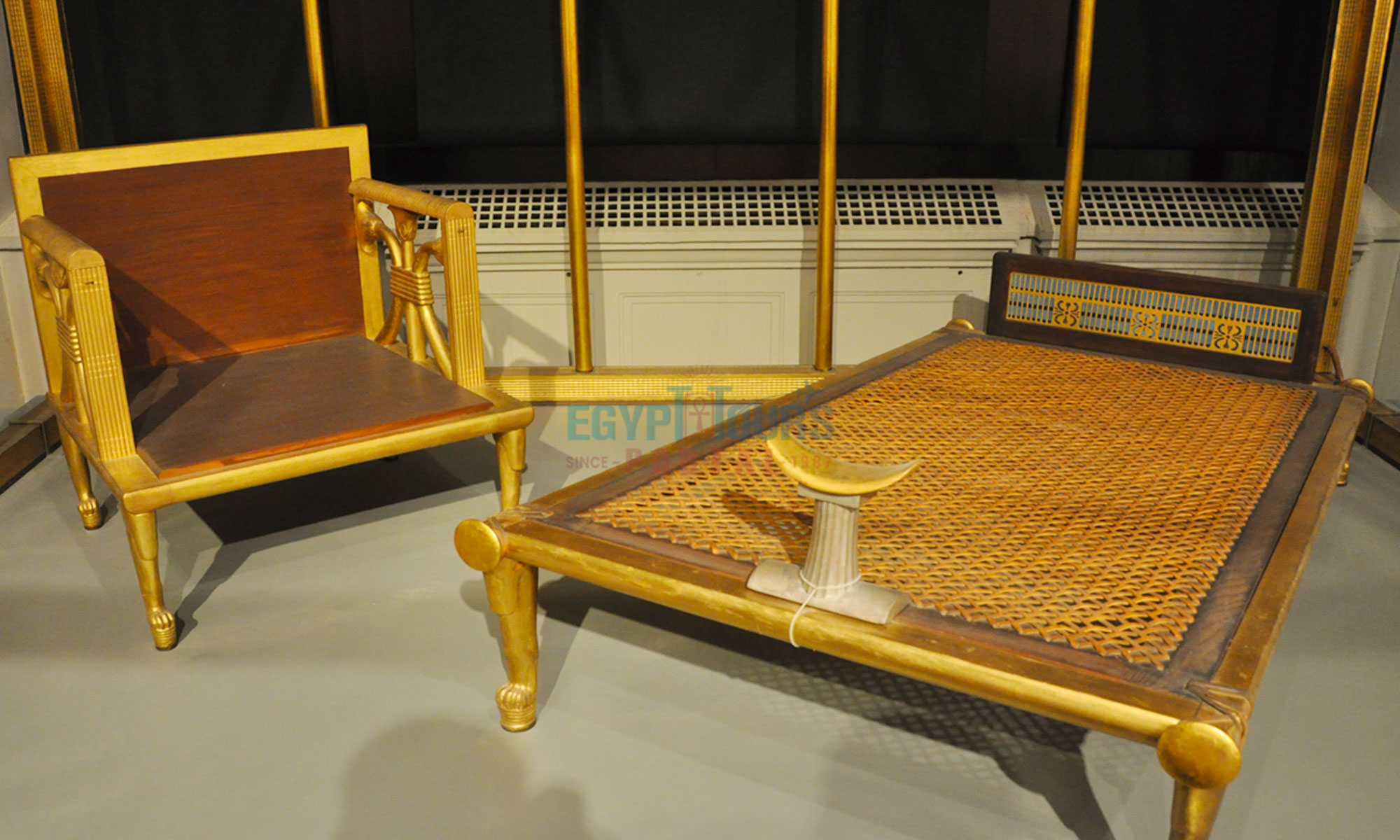
The history of furniture begins in ancient civilisations, where early forms of seating, beds, and storage were created for both practical use and symbolic importance.
In ancient Egypt, furniture was often crafted from wood and adorned with carvings, woven materials, and decorative finishes. Chairs and stools signified power and status, while beds and storage chests demonstrated advanced joinery techniques.
Ancient Greece refined furniture design further. The klismos chair, with its curved legs and sculpted backrest, introduced elegance and comfort — a silhouette that continues to influence modern furniture today. Roman furniture expanded on Greek ideas, creating pieces designed for social gatherings, dining, and leisure.
The influence of early chair design can still be seen in modern wooden chairs and benches, where proportion and comfort remain central to good design.
The Middle Ages: Durability and Function

During the medieval period, furniture became heavier and more utilitarian. Homes were shared spaces, often cold and sparsely furnished. Tables, benches, and large wooden chests served multiple purposes and were designed to last generations.
Craftsmanship remained important, with Gothic influences visible in hand-carved details and iron hardware. Furniture from this era prioritised strength, stability, and longevity.
This focus on durability lives on in well-crafted solid wood furniture and storage pieces, designed to age beautifully over time rather than follow short-lived trends.
The Renaissance: Furniture as Art

The Renaissance marked a shift in furniture design from purely functional to highly decorative. Influenced by art, architecture, and symmetry, furniture became a statement of wealth, taste, and craftsmanship.
Dining tables, cabinets, and seating were richly ornamented and carefully proportioned. Furniture was often commissioned specifically for a space, reinforcing the idea that furniture should complement the interior as a whole.
Today’s statement dining tables and cabinetry still draw inspiration from this era, where furniture was designed to be both practical and expressive.
The Industrial Revolution and the Return to Craft
The Industrial Revolution transformed furniture production. Mass manufacturing made furniture more accessible, but often at the expense of quality and individuality.
In response, movements such as Arts and Crafts emerged, celebrating honest materials, visible joinery, and traditional craftsmanship. This philosophy reinforced the value of furniture made with care, intention, and respect for materials.
Many contemporary homes now seek out handcrafted furniture pieces that celebrate natural wood, thoughtful construction, and timeless design principles.
Modern Furniture and Contemporary Living

The 20th century introduced modern furniture design, focusing on simplicity, function, and clean lines. Styles such as Mid-Century Modern embraced warm woods, organic forms, and practical elegance — values that remain popular today.
Modern furniture blends influences from across history:
-
Traditional craftsmanship
-
Natural materials
-
Balanced proportions
-
Functionality for everyday living
These qualities are especially evident in modern living room and dining room furniture, where comfort and aesthetics must coexist seamlessly.
Why the History of Furniture Still Matters
Understanding the history of furniture helps explain why certain designs feel timeless. While trends evolve, the principles of good furniture remain consistent: quality materials, skilled craftsmanship, and thoughtful design.
At Eden Home, furniture is curated with these principles in mind — pieces that respect tradition while fitting naturally into contemporary homes.
Creating Homes with Meaning
Furniture carries stories. A dining table becomes a place for connection, a chair offers rest, and storage pieces quietly support everyday life. When furniture is designed with care, it becomes part of a home’s identity.
Explore Eden Home’s curated furniture collections, where history, craftsmanship, and modern living come together to create spaces that feel grounded, warm, and enduring.