
February 03, 2026
How Art Movements Have Shaped Interior Design
Explore how major art movements have influenced interior design and furniture, and how these artistic ideas live on in modern homes today.

Art as the Foundation of Interior Design
Interior design has always been shaped by art. Long before trends were named, artistic movements influenced how spaces were composed — from colour and proportion to materials and furniture placement.
Art does more than decorate a room. It sets the tone, anchors a space, and often dictates how furniture is selected and arranged. Understanding this connection allows you to create interiors that feel cohesive, intentional, and timeless.
Today, thoughtfully curated furniture such as Eden Home’s living room and dining room collections continues to reflect artistic principles rooted in history.
Renaissance & Baroque: Art as Grandeur and Expression
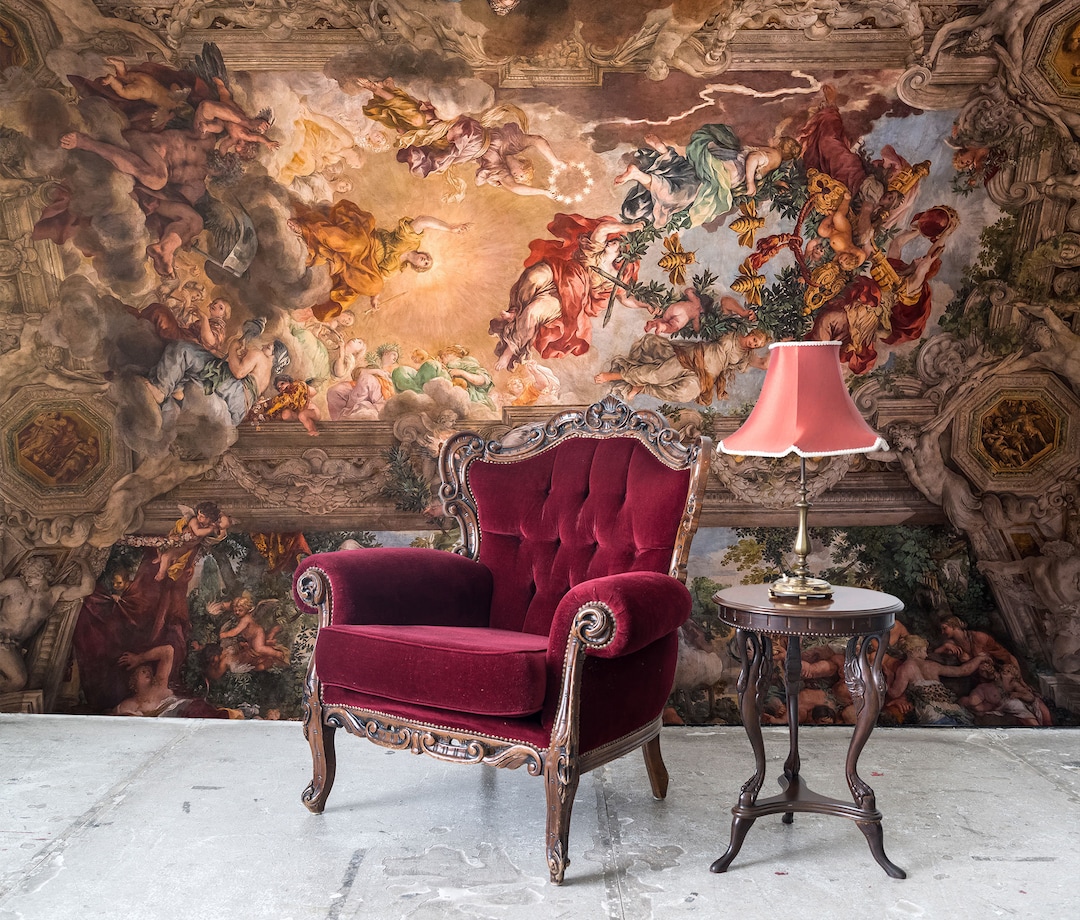
Renaissance and Baroque art celebrated beauty, symmetry, and dramatic expression. Interiors followed suit, becoming richly layered spaces where art and furniture worked together to create visual impact.
Large paintings, tapestries, and ornate wall art acted as focal points, while furniture was crafted to complement the scale and detail of the artwork. Tables, cabinets, and consoles were designed not just for function, but for presence.
In contemporary homes, this influence is echoed through statement pieces such as elegant console tables or refined sideboards placed beneath artwork to anchor a wall visually.
Modernism: Art Inspires Simplicity
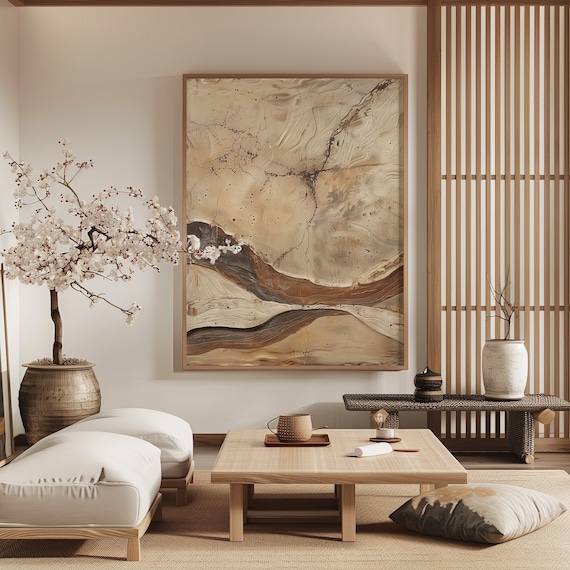
Modern art movements rejected excess in favour of clarity, balance, and function. Abstract art, Bauhaus design, and early modernism encouraged interiors that felt lighter and more purposeful.
Wall art became bolder and more expressive, often acting as the primary decorative element in a space. Furniture designs simplified, allowing art to stand out rather than compete.
This philosophy lives on in pared-back interiors that pair statement artwork with clean-lined armchairs or understated coffee tables, creating calm but visually engaging rooms.
Mid-Century Modern: Art Meets Everyday Living
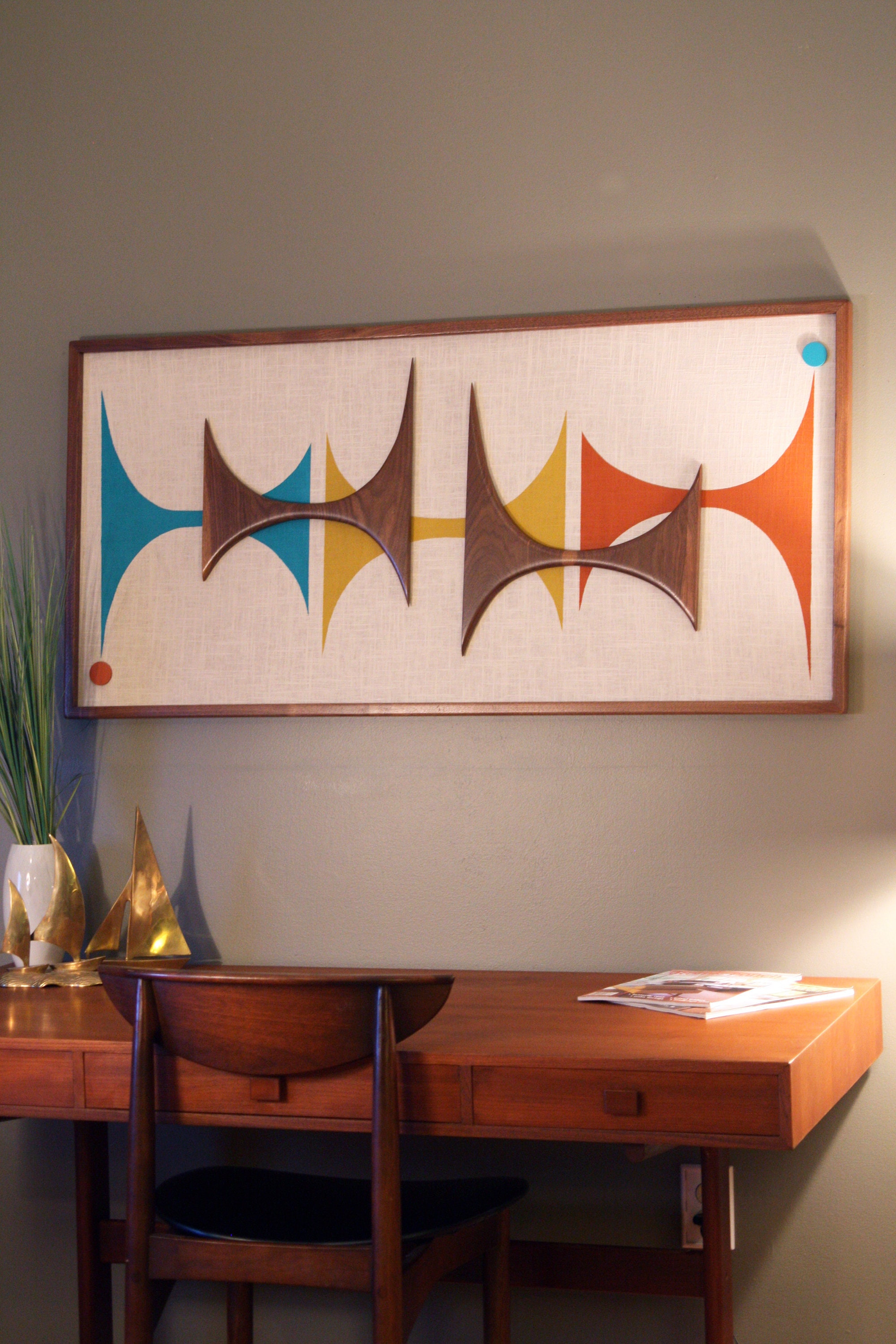
Mid-Century Modern design brought art directly into everyday living spaces. Abstract prints, graphic compositions, and sculptural wall art became central features of the home.
Furniture embraced organic forms and warm materials, allowing interiors to feel both artistic and comfortable. Art and furniture were designed to coexist — neither overpowering the other.
This balance is reflected in contemporary sofas side tables and dining pieces that support artwork without distracting from it.
Contemporary & Minimalist Interiors: Letting Art Lead

Today’s interiors often return to simplicity, allowing carefully chosen art to guide the space. Large-scale wall art, textured canvases, and sculptural pieces provide depth without clutter.
Furniture plays a supporting role — grounded, tactile, and thoughtfully proportioned. Natural materials and soft finishes allow artwork to remain the focal point.
Elements such as wall mirrors, subtle decor accessories, and warm wood finishes enhance light and texture without overwhelming the room.
How Art Should Influence Your Furniture Choices
Art offers clues for how a space should feel. When selecting furniture, consider:
-
The scale and colour of your wall art
-
Whether furniture should contrast or complement it
-
How materials interact with light and texture
A dining table beneath a gallery wall, or a sideboard supporting a statement artwork, creates visual harmony and intention.
Explore Eden Home’s furniture collections to find pieces designed to work seamlessly with art-led interiors.
Creating Art-Led Interiors with Eden Home
Art and furniture should exist in conversation with one another. When chosen thoughtfully, they create homes that feel layered, personal, and timeless.
Whether you’re styling a living space, dining room, or bedroom, Eden Home’s collections are curated to complement artistic expression — allowing your walls, furniture, and space to tell a cohesive story.